Your product is amazing, but it's not selling. The cheap-looking label you printed at home smudges easily and makes your premium item feel amateur and untrustworthy.
To make a professional label, first create a design using a tool like Canva. Next, choose a durable material like waterproof BOPP for liquids or vinyl for general use. Finally, send your artwork to a professional printer for a high-quality, lasting result.
Let’s cut straight to the truth: your label is often the very first physical touchpoint a customer has with your product. I've seen so many small businesses with incredible products fail because they cheaped out on the label. A flimsy, peeling, or smudged label instantly screams "amateur." Getting the label right isn't just about looks; it's about building trust from the very first glance. It’s the silent salesperson for your brand, and it needs to be dressed for the job.
What Is the Cheapest Way to Make Labels?
You need labels for your product launch but have almost no budget. You're tempted to just print them at home, but you're worried they won't look professional enough.
The absolute cheapest way is printing on sheet labels with an inkjet printer at home. This is okay for early mockups, but the paper peels easily and the ink will run with any moisture.
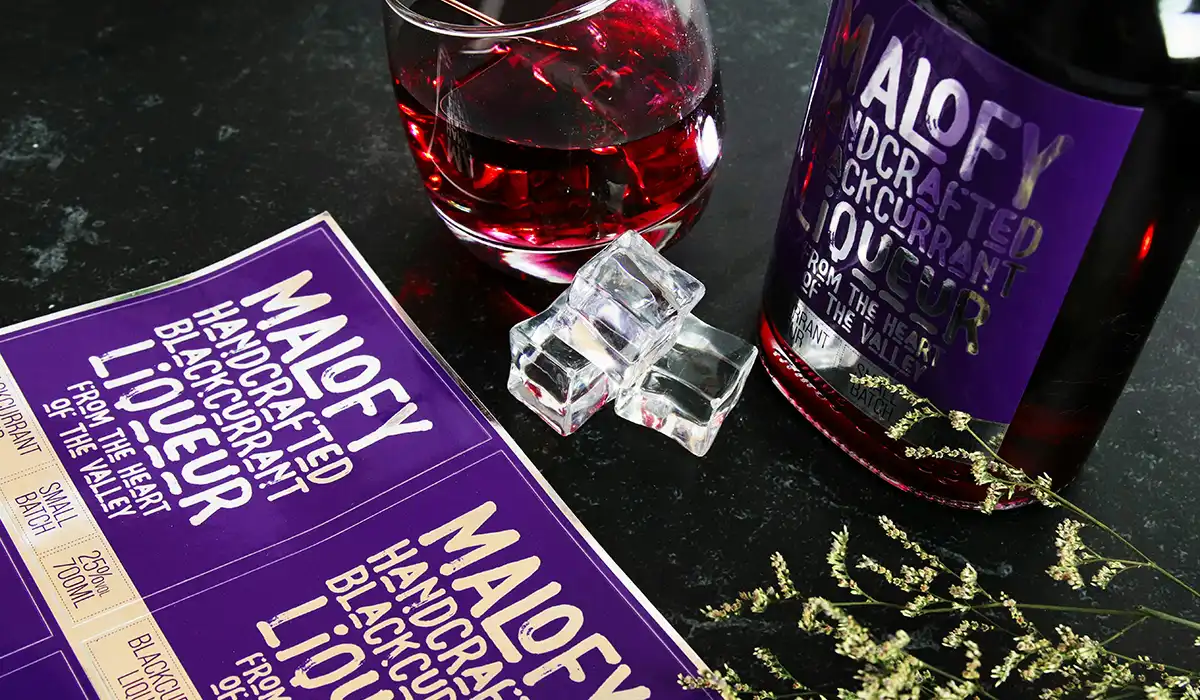
The "cheapest" way isn't always the most cost-effective. Yes, printing labels on your desktop printer using standard sheet paper is the lowest upfront cost. I did this myself when I was first testing product ideas. But the moment you need to label something that might get wet, cold, or oily—like a cold brew coffee, a cosmetic jar, or a soap bar—that cheap label will fail. The ink will run, and the paper will turn to mush. Real cost efficiency comes from choosing the right industrial material from day one. You avoid the cost of reprinting and relabeling damaged products, and more importantly, you avoid losing customers who judge your product by its poor-quality packaging.
True Cost: DIY vs. Professional Small Batch
| Cost Factor | DIY Inkjet Labels | Professional Small Batch (e.g., 100 Labels) |
|---|---|---|
| Upfront Cost | Low (Paper + Ink) | Moderate (e.g., $30) |
| Per-Label Cost | Seems low, but ink is expensive | Very low (e.g., $0.30/label) |
| Durability | Very Poor (Smudges, peels) | Excellent (Waterproof, oil-resistant) |
| Risk of Lost Sales | High (Looks unprofessional) | Low (Looks premium, builds trust) |
| "Hidden" Cost | Time spent printing, cutting, and re-applying failed labels. | None. They arrive ready to apply. |
Can AI Create Labels?
You're not a designer and can't afford to hire one right now. AI design tools seem like a fast and easy solution, but you're scared the result will look generic.
Yes, AI can absolutely help create labels. AI tools are fantastic for generating rapid concepts, vector assets, and unique patterns in minutes. However, AI cannot test physical properties like glue adhesion or finish durability.
AI is a powerful tool that I'm seeing more and more of my clients use. It's a great co-pilot for your creativity. You can use tools like Midjourney or Adobe Firefly to generate a dozen different logo ideas or packaging concepts in the time it would take to sketch one. You can ask it to "create a minimalist vector logo for an organic honey brand" and get a great starting point. But AI's job ends on the screen. It can't tell you if the adhesive on your label will hold up on a refrigerated bottle. It can't feel the difference between a high-gloss finish and a soft-touch matte laminate. Use AI as your creative assistant to generate the artwork, but then bring that artwork to a printing expert who can guide you on the physical materials that will make the design succeed in the real world.
What Materials Are Used to Make Custom Labels?
You're ready to print, but the list of material options is confusing. You don't know the difference between BOPP and vinyl, and you're worried you'll choose the wrong one for your product.
The most common materials are BOPP, vinyl, and paper. White BOPP is the best all-around choice for products exposed to water or oil. Vinyl is extra-durable for outdoor use, and paper is a budget option for dry goods.
Choosing the right material is the single most important decision you'll make after the design. It determines how your label looks, feels, and performs. As a printer, this is where I spend most of my time advising clients. You have to match the material to the product's environment. Putting a paper label on a shower gel is a disaster waiting to happen. The wrong choice makes a premium product look cheap instantly.
Common Label Materials and Their Best Uses
| Material | Key Feature | Best For |
|---|---|---|
| BOPP (Polypropylene) | Waterproof & Oil-Resistant | Cosmetics, food jars, beverage bottles, any liquid product. This is my go-to recommendation for 80% of products. |
| White Vinyl | Ultra-Durable & Flexible | Outdoor gear, car bumpers, equipment labels. Anything that needs to withstand weather and abrasion. |
| Clear BOPP/Vinyl | Transparent "No-Label" Look | Products where you want to show the contents, like juices or high-end serums. It makes the text look printed directly on the bottle. |
| Paper (Matte, Gloss, Kraft) | Eco-Friendly & Textured | Dry goods like coffee bags, candles, product boxes, or anything that won't be exposed to moisture. Kraft paper gives a rustic, organic feel. |
What Is the Process of Making Labels?
You have a design and you've chosen a material. Now you need to understand how your idea goes from a file on your computer to a physical roll of labels.
The process is: 1) Finalize your design file. 2) Submit it to a printer and choose materials. 3) The printer creates a digital proof for you to approve. 4) The labels are printed, laminated, and die-cut. 5) They are shipped to you.
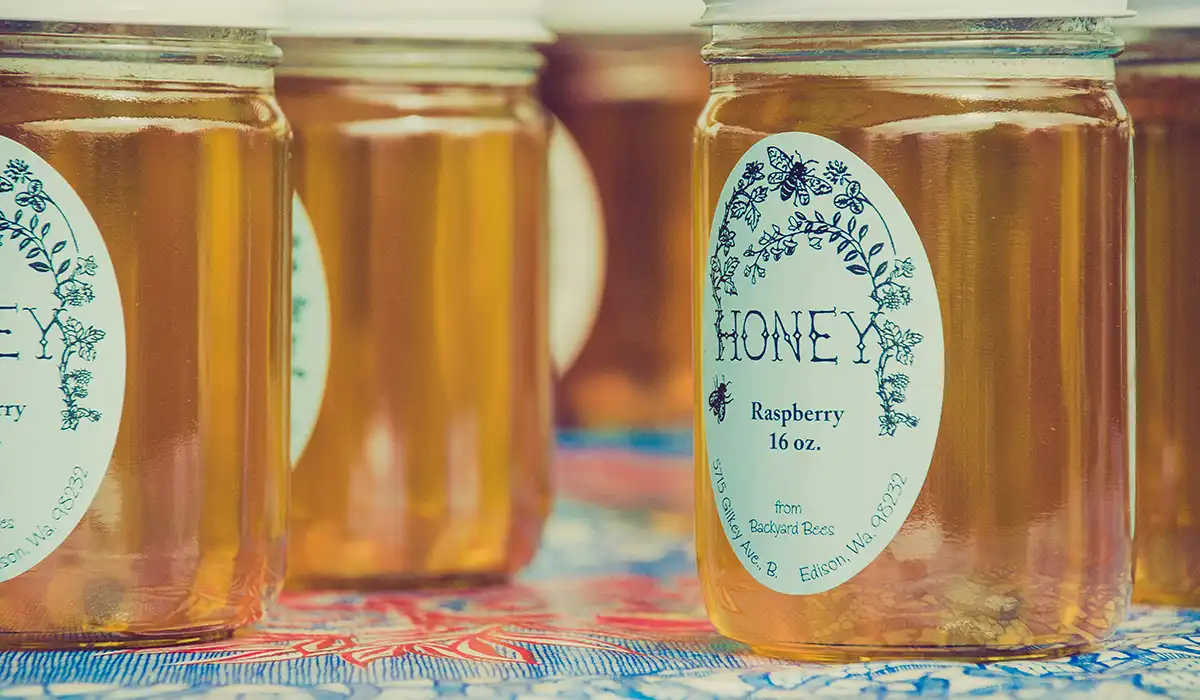
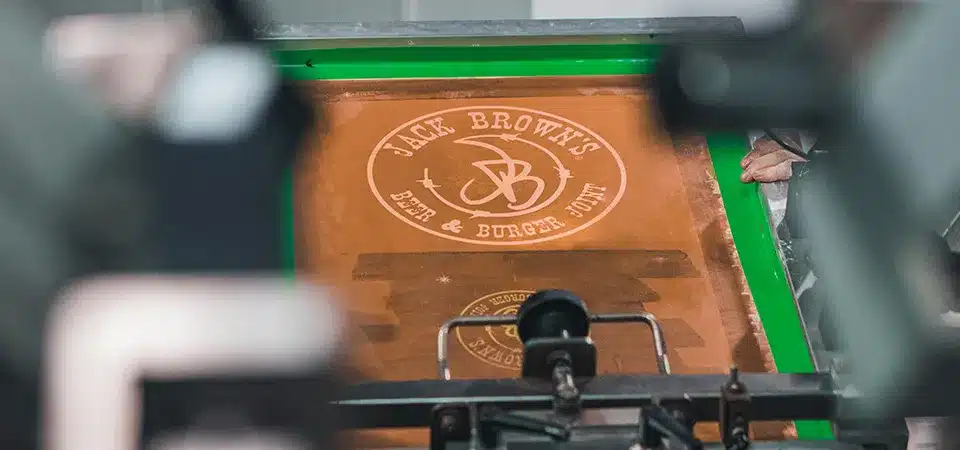
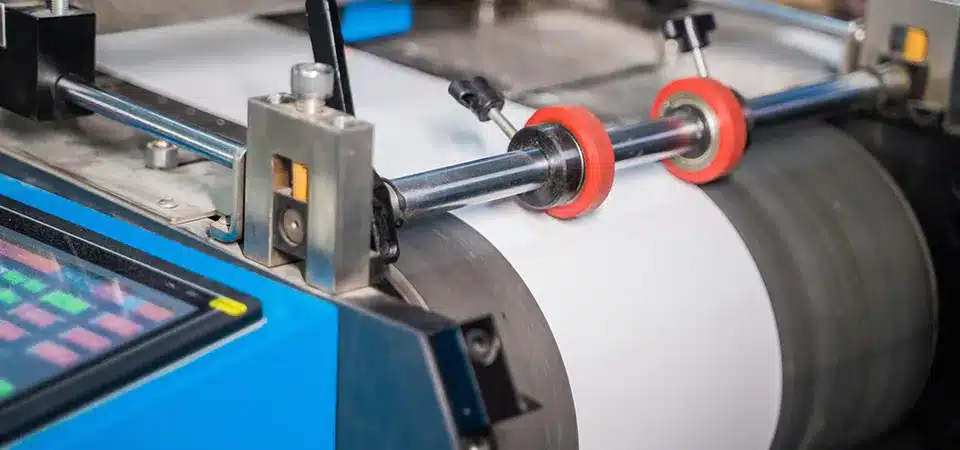
Once you hand your design over to a professional printer like me, we take it from there. The first thing we do is check your file to make sure the resolution is high enough and that the colors are set up correctly for printing. We then create a digital "proof," which is an exact preview of what your final label will look like, including the cut line. This is your chance to double-check everything for typos or mistakes. Once you approve the proof, we move to production. Your design is printed on massive rolls of your chosen material. We then apply a laminate for protection (like gloss or matte), and finally, a machine die-cuts the labels into their final shape. They're then wound onto a roll or cut into sheets, ready for you to apply.
How Can Businesses Use Custom Labels?
You think of labels as just for product packaging. You're missing out on other creative and low-cost ways to use them to build your brand and increase sales.
Beyond product packaging, businesses can use custom labels as branded seals for shipping boxes, thank you stickers in orders, promotional giveaways, or QR code labels to drive online engagement.
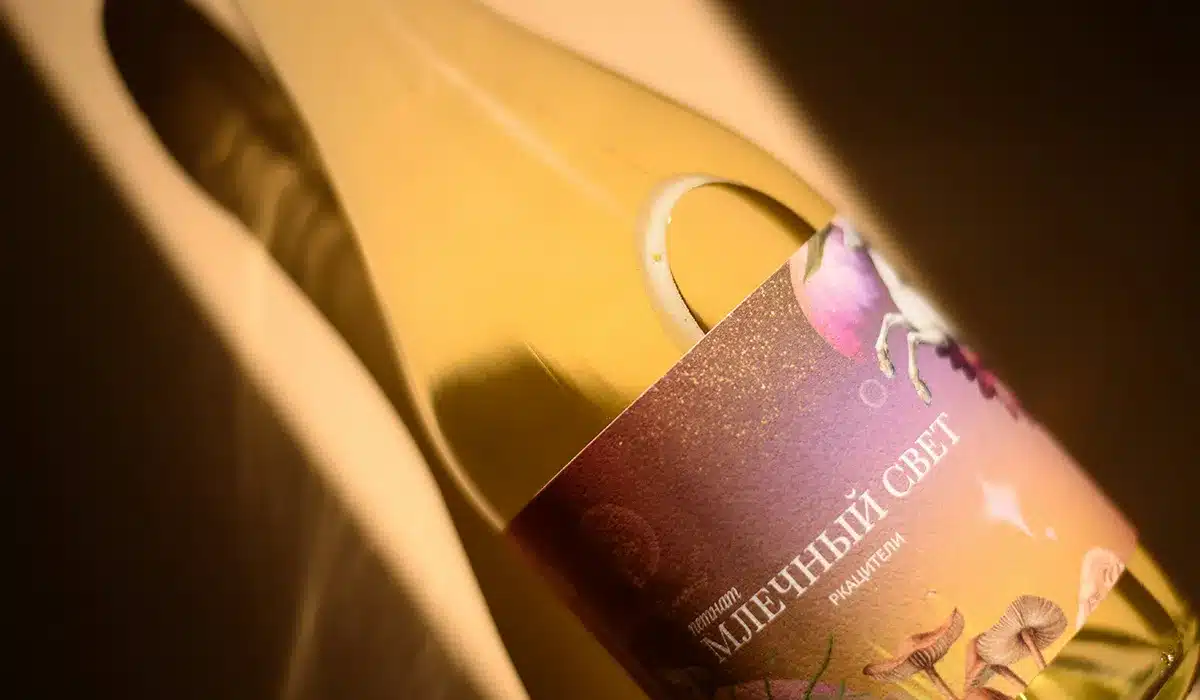
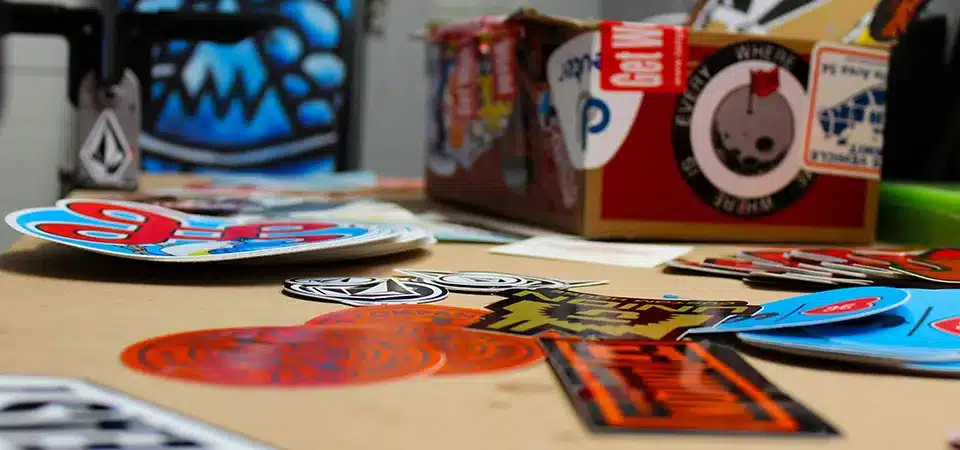
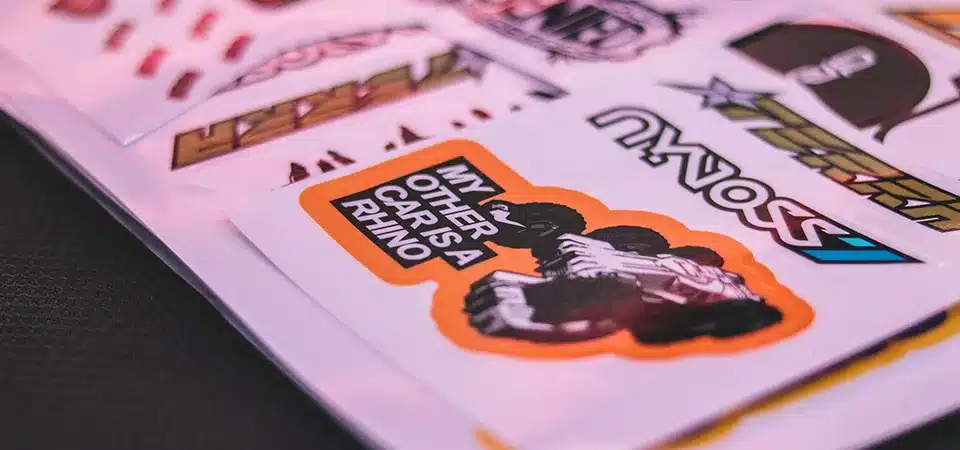
Don't limit labels to just the product itself. They are one of the most versatile and affordable marketing tools you have. I have a client who runs an online clothing store. She puts a beautifully designed sticker with her logo on the outside of every single shipping box. It makes her packages stand out and turns a boring brown box into a great branding moment. Another client who sells handmade pottery includes a small "thank you" sticker in every order. It's a small, personal touch that costs pennies but makes customers feel valued and encourages repeat business. You can also print labels with a QR code that links to your social media or a special discount page. The possibilities are endless.
Conclusion
Making a great label means combining a solid design with the right material. Use AI for ideas, but rely on professional printing for a durable, high-quality finish that builds trust.