You dream of starting a label printing business, but the cost of entry seems impossible. The thought of buying a massive press before you have a single client is terrifying.
The smartest way to start is to not buy equipment at all. Begin as a high-margin trade broker, partnering with print manufacturers to fulfill orders. This lets you build consistent sales volume before making any major capital investment.
Here’s the straight truth from someone who runs a factory: skipping straight to buying expensive machinery before securing steady order volume is the fastest way to burn your capital. The printing hardware market evolves rapidly. An enterprise-level flexo or digital press can quickly turn into a massive liability if it’s just sitting idle. I've seen too many enthusiastic entrepreneurs fail because they fell in love with the machinery before they fell in love with finding customers. There is a much safer, more strategic way to build a profitable label business from the ground up.
Step 1: Research the Label Printing Industry
The label industry is huge, and you have no idea where to even start. Trying to serve everyone feels impossible, and you're worried you'll get lost in the competition.
Effective research means finding one profitable niche instead of trying to serve everyone. Focus on a specific industry like craft beverages, cosmetics, or food, and become an expert on its unique label requirements.
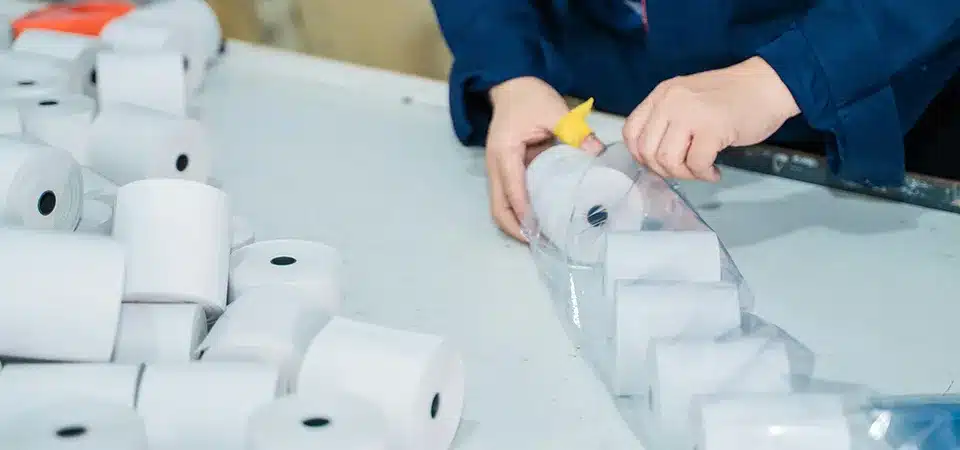
Before you think about a single machine or logo, you need to find your pond to fish in. When I started, I didn't try to print for every business in my city. I noticed a boom in local craft bakeries and focused 100% on them. I learned what materials worked best on paper bags, what adhesives held up on refrigerated cake boxes, and what designs caught the eye of a customer buying a fresh loaf of bread. This focus allowed me to become an expert and the go-to printer for that specific community. Your goal is not to be a generalist; it's to be the undeniable expert for a small but profitable group of customers.
Finding Your Profitable Niche
| Niche Market | Material Needs | Profit Potential | Key Challenge |
|---|---|---|---|
| Craft Beverage | Waterproof BOPP, textured paper for wine, metallic foils. Must withstand condensation and friction. | High | High competition, clients are very brand-conscious. |
| Cosmetics & Beauty | Squeezable films, clear BOPP, luxury finishes like soft-touch matte, high-build varnish. | Very High | Requires premium materials and perfect print quality. |
| Food & Pantry | Oil-resistant BOPP, freezer-grade adhesives, matte paper for an organic look. | Medium | High volume, but often smaller order values. |
| Industrial & Chemical | Ultra-durable vinyl (UL-certified), aggressive adhesives, lamination for chemical and UV resistance. | High | Requires technical knowledge of compliance standards. |
Step 2: Choose the Right Label Printing Equipment
You believe the key to success is owning the best printing press. But the price tags on digital and flexo presses are astronomical, threatening to kill your business before it even starts.
The right equipment to choose at the beginning is a laptop and a phone. Do not buy machinery. Instead, partner with established B2B print manufacturers who will print and ship orders for you.
I cannot stress this enough: do not buy a press. This is the biggest mistake you can make. When you're just starting, your number one job is sales, not operating machinery. Acting as a trade broker is the perfect entry strategy. You find the clients, take their orders, and then send the print-ready files to a large-scale manufacturer who you've partnered with. These manufacturers, like my own factory, have programs for resellers. We print the labels and can even "white label" ship them directly to your client, so it looks like it came from you. This allows you to focus all your energy on what actually matters in year one: finding your niche, mastering customer acquisition, and building a book of repeat B2B accounts. You operate with almost zero overhead, and your margin is pure profit.
Step 3: Develop a Business Plan
You have a great idea, but it feels scattered. Without a clear plan, you're just guessing at pricing, marketing, and your financial goals, which is a recipe for failure.
Your business plan should focus on your niche customer, your pricing structure as a broker, and your monthly sales goals. Keep it simple: Who will you sell to, and how much do you need to sell?
Forget 50-page business plans that you'll never look at again. Your initial plan can be one page. The core of my first business plan was simple. My target was local bakeries. My service was providing high-quality, oil-resistant paper labels. My pricing strategy was to get quotes from three different trade printers, add a 40% margin, and present that as the final price. My financial goal was to land four new bakery clients per month. That's it. This simple framework gave me clarity and a target to hit every single day. Don't overcomplicate it. Your plan is just a map to guide your sales efforts. As a broker, your costs are low, so the plan is less about managing expenses and all about driving revenue.
Your One-Page Broker Business Plan
- Target Niche: (e.g., Local hot sauce makers)
- Problem You Solve: They need waterproof, vibrant labels that make their bottles stand out on a crowded shelf.
- Your Solution: Broker high-quality, full-color BOPP labels with a gloss laminate finish.
- Pricing Strategy: [Your chosen manufacturer's cost] + [Your desired margin, e.g., 35-50%] = Client Price.
- Monthly Goal: Secure [e.g., 3] new clients or [$e.g., 2,000] in total sales.
Step 4: Establish Your Brand and Marketing Strategy
You need to look professional to win clients. But without a factory, you're not sure how to build a brand that projects trust and expertise in the printing industry.
Your brand is your expertise. Market yourself as a "label consultant" for your chosen niche. Your marketing strategy is direct outreach: email, phone calls, and visiting potential clients to show them label samples.
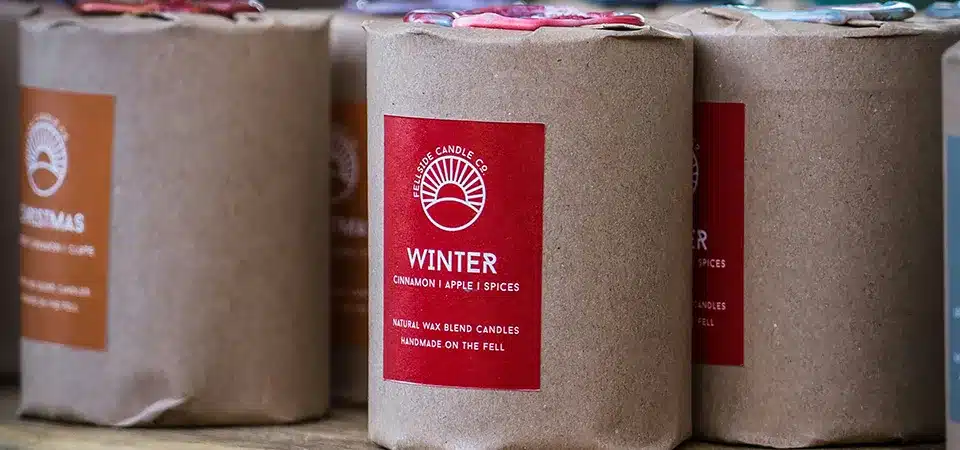
Your brand isn't a logo; it's your reputation for solving problems. Don't brand yourself as a "cheap printer." Brand yourself as the expert who helps craft breweries sell more beer with better labels. Your marketing should be hyper-focused and direct. Forget about social media ads at first. Instead, get a sample pack from your manufacturing partner. This pack will have labels made from different materials and finishes. Walk into every brewery in your area, introduce yourself as a local label consultant, and leave them a sample pack. Follow up with an email showing examples of great beer labels. This hands-on, consultative approach builds trust and positions you as a partner, not just a salesperson. It's how you win business from larger, impersonal online printers.
Step 5: Start Small and Scale Up
You have a few clients and are making money as a broker. Now you're wondering when—and how—to take the next step and bring production in-house.
Scale up only when you have consistent, predictable order volume in a specific label category. Once your broker profits can cover the monthly payment for a machine, you can invest in your first in-house digital roll printer.
This is the final and most exciting step. You've spent a year or two building a profitable brokerage. You now have 20 regular clients in the cosmetics industry, and you know you have a guaranteed $5,000 in orders every single month for 2-inch round BOPP labels. Now, and only now, do you look at equipment. You can calculate that a small digital label press and finisher has a monthly lease payment of $1,500. With your guaranteed order flow, you know that the machine will not only pay for itself but will dramatically increase your profit margin. You're not guessing anymore. You are making a data-driven investment backed by real-world sales. This is how you build a sustainable, long-term printing business. You let your customers' money, not your own savings, finance your growth.
Conclusion
Start lean as a label broker to build your client base without risk. Use that guaranteed cash flow to invest in equipment and scale, ensuring your business is profitable from day one.