Your product labels are peeling, smudging, and tearing. This makes your brand look cheap and neglected, destroying customer trust before they even try what's inside the package.
Waterproof stickers and labels are the best choice because they resist moisture, oils, and friction. Made from durable polypropylene or polyester, they ensure your branding remains pristine, protecting your investment and brand perception.
In my years of printing, I've seen that a sticker's worst enemies are water, oil, and daily handling. I’ve talked to so many brand owners who spent a fortune perfecting their product, only to put it in a package with a paper label that disintegrates on a damp shelf. It’s a small detail that makes a huge, negative impact. A pristine label communicates quality from the first glance to the last use. It shows you care about the entire customer experience. Let’s explore why switching to waterproof materials isn't just an option—it's a necessary investment in your brand's future.
What Exactly Are Custom Waterproof Stickers and Labels?
Wondering what makes a sticker truly "waterproof"? It's not just a simple coating; it's about the core material, something standard paper or even some vinyls can't properly offer.
Custom waterproof stickers are labels made from durable synthetic materials like polypropylene or polyester. They use a strong, water-resistant adhesive and a protective laminate to completely block damage from water, oil, and UV rays.
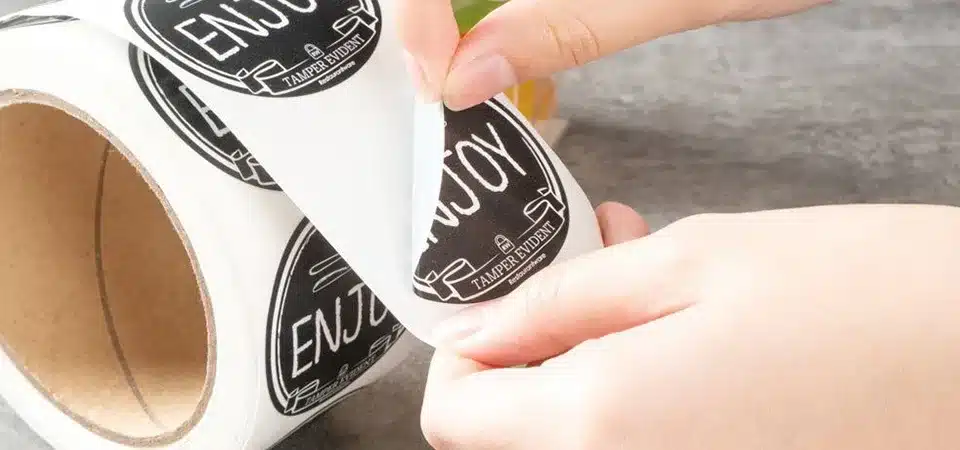
When we talk about waterproof labels, we're not talking about paper with a shiny finish. Those are "water-resistant" at best, and they'll still fall apart eventually. True waterproof labels are plastic from the ground up. The most common material I recommend to clients is BOPP (Biaxially Oriented Polypropylene). It's incredibly thin, flexible, strong, and completely impervious to water and oils. Think of a soda bottle label—that's often BOPP. We print on this material and then add a clear laminate over the top. This lamination acts like a shield, protecting the ink from scratches, chemicals, and sun fading. The combination of a plastic base, permanent adhesive, and a protective top layer is what creates a truly resilient label that will outlast the product itself.
Material Durability Comparison
| Feature | Standard Paper | Water-Resistant Paper | True Waterproof (BOPP) |
|---|---|---|---|
| Base Material | Wood Pulp | Paper with a coating | Polypropylene (Plastic) |
| Water Resistance | None | Low (Survives splashes) | Complete (Submersible) |
| Oil Resistance | None | None | Excellent |
| Tear Resistance | Very Low | Low | Very High |
| Ideal Use Case | Dry, indoor items | Short-term chilled goods | All environments |
Where Are Waterproof Stickers and Labels Used?
Your product might end up in a steamy shower, a cold refrigerator, or a greasy kitchen. A standard label will fail, but where exactly do waterproof labels shine the brightest?
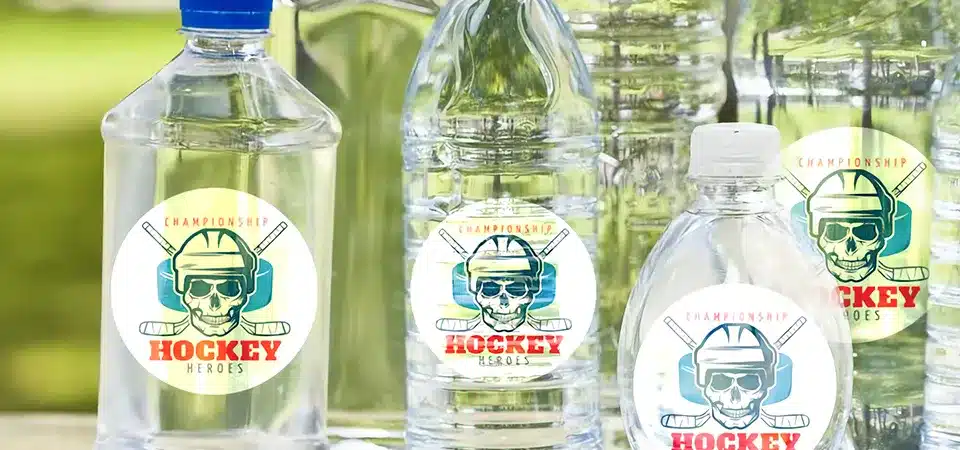
Waterproof labels are essential for any product exposed to moisture, oils, condensation, or friction. They are perfect for food and beverage packaging, bath and body products, outdoor equipment, and chemical containers.
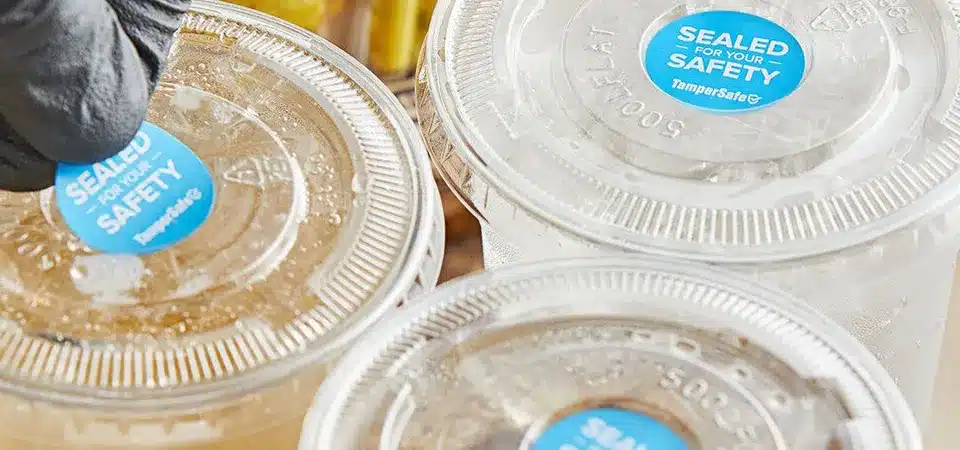
I work with businesses across dozens of industries, and the need for durable labels is universal. A craft beer maker needs a label that won't peel off in a cooler full of ice. The maker of a luxury face oil needs a label that won't dissolve when the oil inevitably drips down the side of the bottle. It's all about thinking through your customer's experience. Where will they store your product? How will they use it? A pristine label is a silent promise of quality. When a customer uses your shampoo and the label still looks perfect after a month in the shower, it reinforces their belief that they bought a high-quality item. This simple detail builds immense brand loyalty over time, because it proves you thought about their experience down to the very last drop.
Top Industries for Waterproof Labels
- Food & Beverage: Perfect for items that are refrigerated, frozen, or might get wet, like beer cans, wine bottles, milk jugs, and sauce jars.
- Bath & Body: A must-have for shampoos, soaps, lotions, and cosmetics that live in humid bathrooms.
- Cannabis & CBD: Essential for oil tinctures and vape products, where oil resistance is key to maintaining a premium look.
- Outdoor & Sporting Goods: Used on equipment like water bottles, kayaks, and coolers that are constantly exposed to the elements.
- Chemicals & Cleaning: Necessary for safety and compliance, ensuring warning labels and instructions remain legible even with spills.
Why Are Waterproof Labels a Better Choice Than Vinyl?
You’ve heard that vinyl stickers are tough, so why not just use those? The problem is that traditional vinyl can be thick and rigid, causing it to peel off on curved surfaces.
Modern waterproof labels, often made from polypropylene, are better because they are thinner and more flexible than traditional vinyl. This allows them to conform perfectly to any container shape without lifting or peeling at the edges.
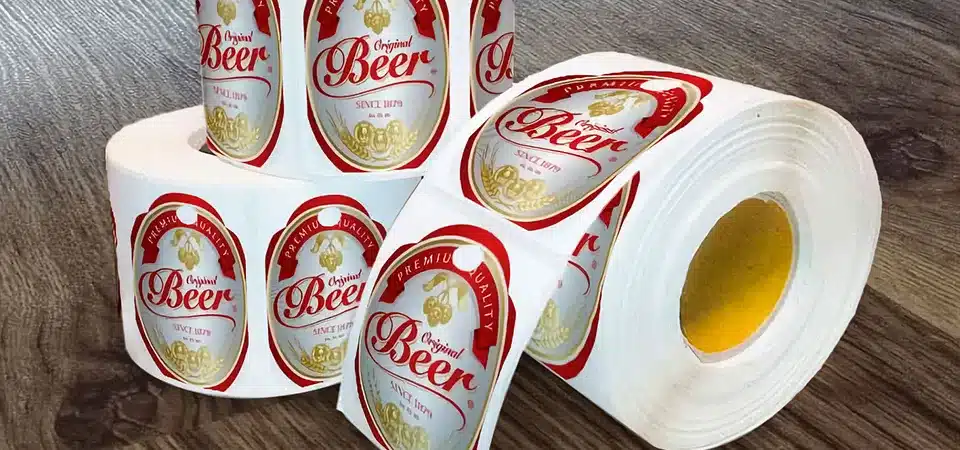
This is a point of confusion I clear up for clients all the time. "Vinyl" is a broad term, but in the sticker world, it often refers to a thicker PVC material used for things like decals or bumper stickers. It's very durable, but it's not always the best choice for product packaging. When I first started, I tried using a thick vinyl on a small lip balm tube for a client. Within days, the edges started to lift because the stiff material wanted to flatten out. It looked terrible. That's when I switched them to a thin, flexible BOPP label. It wrapped around the tube seamlessly and stayed put. Polypropylene strikes the perfect balance: it has all the waterproof and oil-proof benefits of vinyl but with superior flexibility, making it the ideal choice for product packaging of any shape or size.
Material Showdown: BOPP vs. Traditional Vinyl
| Attribute | Waterproof BOPP Label | Traditional Vinyl Sticker |
|---|---|---|
| Thickness | Very Thin (2-3 mil) | Thicker (4-6 mil) |
| Flexibility | High (Conforms to tight curves) | Moderate (Best for flat surfaces) |
| Appearance | Seamless, "no-label" look possible | More noticeable, feels like a sticker |
| Best For | Product packaging, jars, bottles | Decals, windows, flat-sided products |
| Edge Lifting | Very rare | Can occur on tight curves |
Conclusion
Choosing waterproof labels is a direct investment in your brand's reputation. It ensures your product looks professional and trustworthy from the store shelf to the customer's home, every single time.