You found the perfect sticker for your wooden craft project. But wood is porous and textured, which can cause your sticker to peel, bubble, or fade away.
To permanently seal a sticker on wood, you must first prepare the surface by sanding and cleaning it. After applying the sticker, apply multiple thin coats of a sealant like Mod Podge, clear acrylic spray, or epoxy resin over the top to protect it from everything.
As a sticker printing expert, I see people create amazing custom stickers every day. The biggest mistake they make isn't in the design, but in how they apply them to tricky surfaces like wood. A sticker's adhesive is strong, but it's not magic. It needs a smooth, clean surface to bond to. Sealing isn't just about making it stick; it's about creating a protective shield that preserves your design for years to come. Let's walk through why sealing is so important and exactly how to do it right.
Why do you need to seal stickers on wood?
You stick a beautiful vinyl decal on a wooden box. A few weeks later, you notice the edges are lifting and dust is getting underneath.
Sealing is necessary because wood is an unstable surface. It's porous, absorbs moisture, and has an uneven texture. A sealant creates a smooth, non-porous barrier that locks the sticker in place and protects it from peeling, moisture damage, and UV fading.
From my experience, I can tell you that a sticker's enemy is an unprepared surface. Wood is one of the toughest surfaces for a sticker because it's naturally imperfect. Think about what a sticker's adhesive needs: a flat, stable surface to create a strong bond. Unsealed wood is the exact opposite.
The Problem with Raw Wood
- Porosity: Raw wood is like a sponge. It has tiny pores that can trap air and moisture, creating bubbles under your sticker and weakening the glue over time.
- Texture: Even smooth-looking wood has a grain and texture. These tiny hills and valleys create gaps where the sticker's adhesive can't make full contact, leading to peeling edges.
- Moisture: Wood absorbs humidity from the air, causing it to swell and shrink. This constant, subtle movement will eventually break the adhesive bond and push the sticker right off.
Sealing solves all these problems. It fills the pores, evens out the texture, and creates a waterproof barrier. It basically turns a rough, organic surface into a perfect, sticker-ready canvas. Sealing also protects the sticker itself from scratches and sunlight, so the colors stay bright and vibrant.
What is the best sealant to use for stickers on wood?
You're ready to seal your project, but the craft store aisle is confusing. Sprays, gels, resins—which one will give you the best result without ruining your sticker?
The best sealant depends on your project's needs. Mod Podge is great for indoor crafts, clear acrylic spray offers quick UV protection, and epoxy resin provides a thick, waterproof, glass-like finish for ultimate durability.
Choosing the right sealant is the most important decision you'll make for your project's longevity. There isn't one "best" option; there's the best option for your specific needs. I recommend these three to my clients all the time, and each one has its strengths.
| Sealant Type | Best For | Ease of Use | Finish Quality |
|---|---|---|---|
| Mod Podge | Indoor decorative crafts, kids' projects | Very Easy | Good (can show brushstrokes) |
| Clear Acrylic Spray | Outdoor signs, quick projects, UV protection | Easy | Very Good (smooth, even coat) |
| Epoxy Resin | Coasters, trays, high-use surfaces | Difficult | Professional (thick, glass-like) |
Mod Podge (Water-Based Sealer)
This is the go-to for most crafters. It’s a glue, sealer, and finish all in one. It's easy to apply with a brush, dries clear, and cleans up with water. I recommend the "Dishwasher Safe" formula for items that might get damp. The only downside is that it's not fully waterproof and can sometimes feel slightly tacky in humid weather.
Clear Acrylic Spray
This is my personal favorite for speed and a professional finish. You apply it in several light coats, and it dries quickly. It provides a hard, durable shell that protects against scratches and UV rays, which is essential for preventing your sticker's colors from fading. Always use it in a well-ventilated area.
Epoxy Resin
This is the ultimate protector. When you need a thick, super-glossy, and completely waterproof finish, resin is the answer. It's perfect for things like coasters or serving trays. However, it's more expensive and requires precise mixing and a longer curing time. It’s for when you need maximum durability.
How do you seal stickers on wood step-by-step?
You have the sealant and the sticker, but you're worried about getting bubbles, wrinkles, or a messy finish. What is the exact process for a perfect result?
Properly sealing a sticker involves five key steps: Prepare the wood, apply the sticker flawlessly, add a thin first coat of sealant, build up multiple layers, and let the project cure completely before use.
This is where we put it all together. Rushing these steps is how projects get ruined. As a printing professional who values quality, I can't stress this enough: take your time, especially with preparation and drying. Following this process will give you a result that looks professional and lasts for years.
Step 1: Prepare the Wood Surface
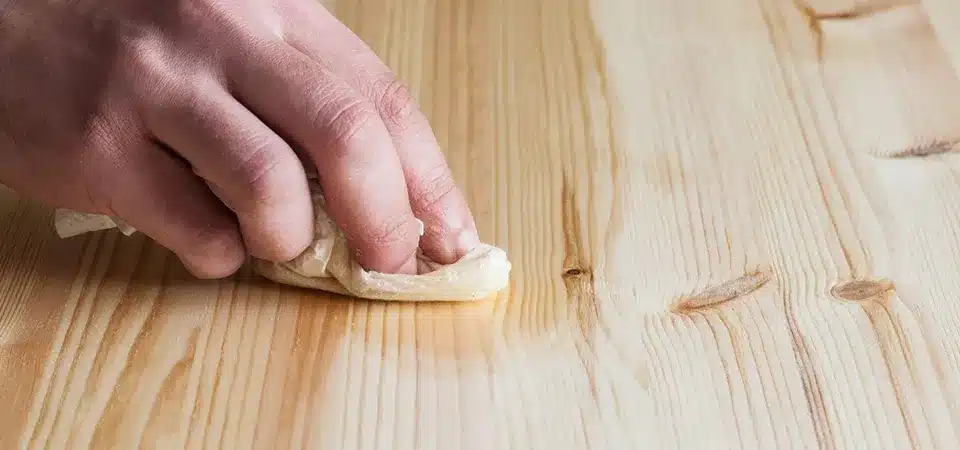
This is the most critical step. Your wood must be as smooth and clean as possible. Start by sanding the surface with medium-grit sandpaper (like 120), then follow up with fine-grit sandpaper (like 220) until it feels perfectly smooth to the touch. Wipe away all the dust with a tack cloth or a slightly damp rag. Let it dry completely.
Step 2: Apply the Sticker
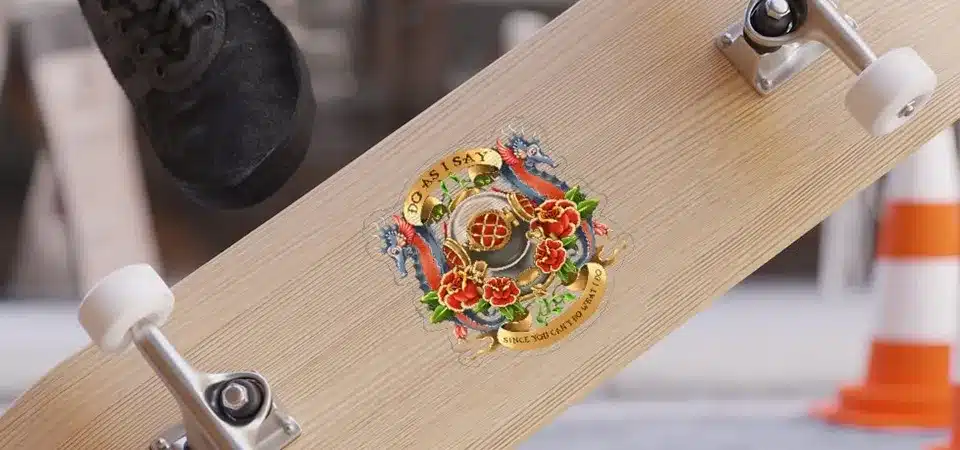
Peel the backing paper off your sticker. To avoid bubbles, don't just place it flat. Instead, hold the sticker taut and apply one edge to the wood first. Using a plastic scraper or a credit card, slowly and firmly press the sticker down, working from the center out to the edges. This pushes all the air out as you go.
Step 3: Apply the First Sealing Coat
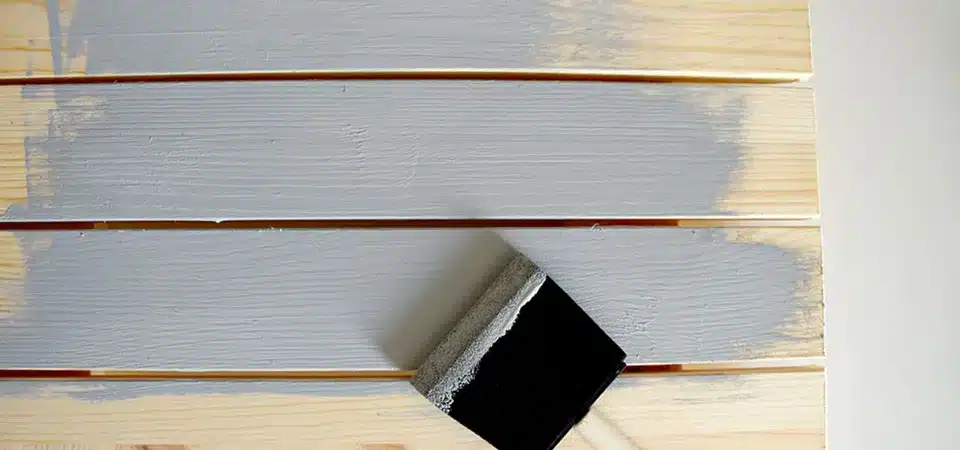
It’s time to seal. If using Mod Podge, dip a foam brush and apply a very thin, even layer over the sticker and the surrounding wood. If using an acrylic spray, hold the can about 8-10 inches away and apply a light misting coat. The first coat should be very thin to create a good bond.
Step 4: Let It Dry and Add More Coats
Patience is key. Let the first coat dry completely according to the product's directions (usually about an hour). Then, apply another thin coat. For Mod Podge, I like to alternate my brush stroke direction (horizontal, then vertical) with each layer to minimize brush marks. Apply a total of 3-4 thin coats for best protection.
Step 5: Let It Cure
"Dry" is not the same as "cured." An item might be dry to the touch in an hour, but it needs to cure to reach its maximum hardness and durability. Let your finished piece sit undisturbed for at least 24 hours, and up to several days for resin, before you handle it or put it to use.
Conclusion
To make stickers last on wood, proper preparation is everything. Sand the wood, apply the sticker carefully, and seal it with multiple thin coats of the right sealant.
FAQs
What can I use to seal stickers on wood?
You can use a water-based sealer like Mod Podge for general crafts, a clear acrylic spray for a fast and durable finish, or a two-part epoxy resin for a thick, waterproof, glass-like coating.
How do you make stickers stick to wood permanently?
To make them permanent, you must prepare the wood by sanding it smooth and cleaning it thoroughly. Then, after applying the sticker, seal over it with 3-4 coats of a clear sealant like acrylic spray or Mod Podge.
How do you waterproof stickers on wood?
For a fully waterproof seal, your best option is a two-part epoxy resin, which creates a thick, non-porous barrier. Alternatively, you can use an outdoor-rated polyurethane or acrylic spray sealant, applying multiple coats for maximum protection.
Will Mod Podge seal vinyl on wood?
Yes, Mod Podge is very effective for sealing vinyl stickers and decals on wood. It creates a protective layer that secures the vinyl and prevents its edges from peeling up over time, making it a popular choice for crafters.