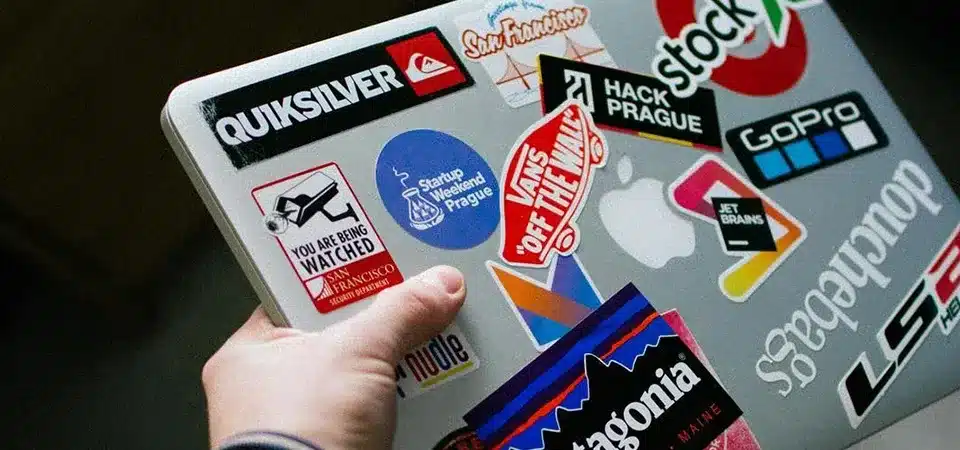
Old, cracked vinyl stickers make your boat look neglected and tired. This hurts its appearance and value, and you're worried removal will damage the hull.
The best way to remove vinyl stickers is to gently heat them with a heat gun or hair dryer. This softens the adhesive, allowing you to peel the decal off slowly with a plastic scraper. Any remaining residue can be cleaned with an adhesive remover.
In my sticker business, I not only help people apply new graphics but also give them advice on how to remove the old ones. A peeling, sun-baked decal can really kill the look of an otherwise beautiful boat. The good news is that taking them off is a job you can absolutely do yourself. It just takes the right tools, the right technique, and most importantly, a little bit of patience. Let's walk through how to get that hull looking clean and pristine again.
Why Remove Old Vinyl Stickers from Your Boat?
Fading decals ruin your boat's otherwise sharp look. You know it hurts the aesthetics and maybe even the resale value, but you keep putting off the removal job.
Removing old vinyl prevents long-term surface damage like "ghosting" from uneven UV exposure. It also restores the boat's appearance and is essential prep for applying new graphics or registration numbers, ensuring a clean, professional finish.
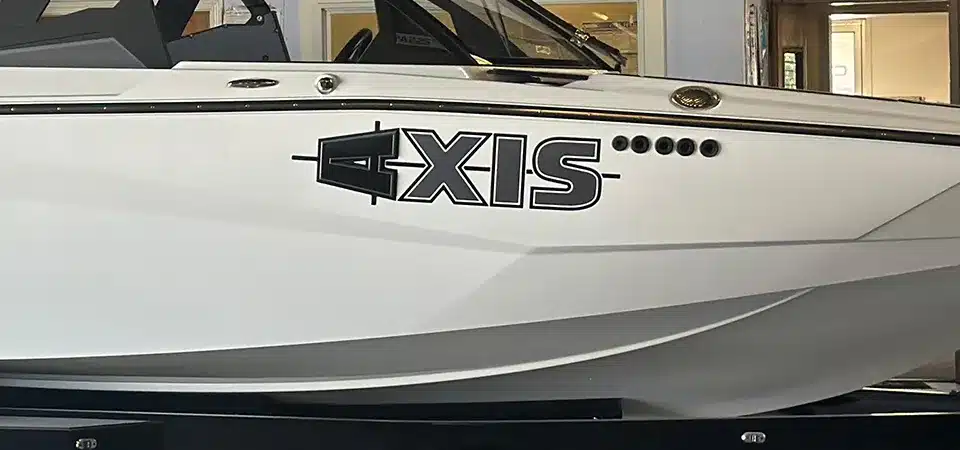
There are a few really good reasons to finally tackle this project. It’s about more than just looks; it's about protecting your investment.
Restoring Aesthetics and Resale Value
First impressions matter. Cracked, peeling, or faded graphics are one of the first things people notice, and it instantly makes a boat look older and less cared for. When a client of mine was getting ready to sell his boat, the first thing we did was strip the old, dated 90s-era stripes. The boat looked ten years younger instantly. A clean hull is a blank canvas that dramatically boosts curb appeal and resale value.
Prepping for New Graphics
You can't put a new sticker over an old one. If you're updating your boat's name, registration numbers, or adding a new design, you need a perfectly smooth and clean surface. Applying new vinyl over old, bumpy decals will lead to poor adhesion and a sloppy, unprofessional look. Starting with a pristine surface is the only way to ensure your new graphics stick properly and look great for years.
Preventing Long-Term Damage
An old sticker can cause permanent damage if left on for too long. The most common issue is "ghosting." The sun's UV rays fade the gelcoat or paint over time, but the area under the sticker is protected. When you finally remove it, you're left with a darker shadow of the old design. The sooner you remove old vinyl, the less contrast there will be and the easier it will be to correct any ghosting that has occurred.
What Tools and Materials Do You Need for Sticker Removal?
You want to start, but you don't have the right supplies. You're tempted to grab a metal scraper or some random household cleaner, risking permanent scratches and damage to the gelcoat.
You'll need a heat gun or hair dryer, plastic razor blades, and microfiber towels. For cleaning, have a commercial adhesive remover like Goo Gone or 3M, plus isopropyl alcohol. Always wear nitrile gloves and eye protection for safety.
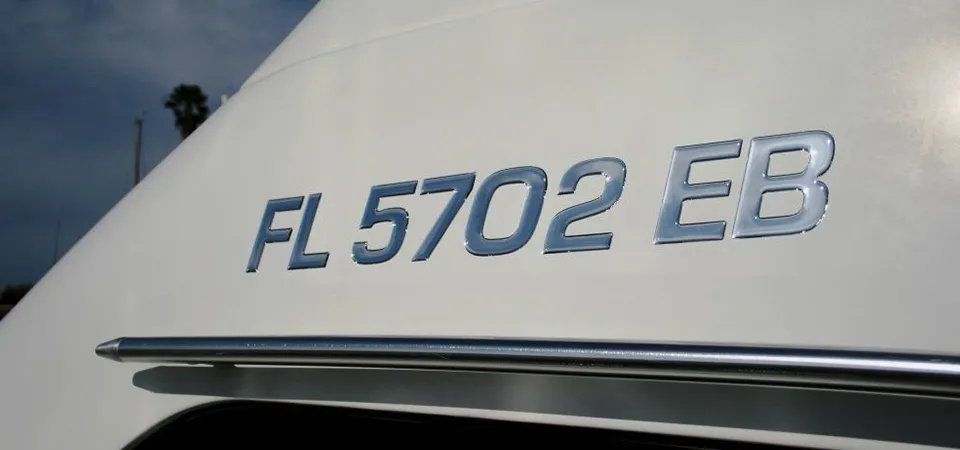
Using the wrong tool is the fastest way to turn a simple job into an expensive repair. I've seen too many hulls with deep scratches from people trying to use a metal putty knife. Getting the right gear from the start is non-negotiable.
| Category | Item | My Notes |
|---|---|---|
| Essential Tools | Heat Gun or Hair Dryer | A heat gun gives you better temperature control, but a hair dryer works. Keep it moving! |
| Plastic Razor Blades or Scrapers | The most important tool. Never use metal! Plastic is firm enough to lift edges but won't scratch. | |
| Microfiber Towels | You'll need several for cleaning, applying solvents, and buffing. | |
| Recommended Products | Commercial Adhesive Remover (Goo Gone, 3M, Rapid Remover) | These are made to dissolve the glue. Always test on a small, hidden spot first to ensure compatibility. |
| Isopropyl Alcohol | Perfect for the final wipedown to remove any oily residue left by the adhesive removers. | |
| Marine Polish/Compound | Crucial for the final step to remove ghosting and restore the shine to your gelcoat. | |
| Safety Equipment | Nitrile Gloves | Protects your hands from strong chemicals and sticky messes. |
| Eye Protection | Essential when you're working with chemicals or scraping away brittle pieces of vinyl. |
How Should You Prepare the Surface Before Starting?
You're eager to just start heating and scraping away. But jumping in without proper prep can lead to ineffective removal or accidental damage to the surrounding areas of your boat.
First, wash and dry the area completely to remove any surface grime. Inspect the sticker and the underlying surface for pre-existing damage. If needed, use painter's tape to mask off any adjacent graphics you want to protect.
A few minutes of prep work will save you a ton of frustration. You need a clean, clear workspace to do the job right.
Inspecting the Surface
Take a moment to look at what you're working with. Is the decal on gelcoat, aluminum, or a painted surface? Gelcoat is pretty forgiving, but paint can be delicate. Check for any pre-existing cracks, chips, or heavy oxidation around the sticker. Knowing this beforehand helps you manage expectations and work more carefully around problem spots.
Washing the Area
Your boat collects a layer of salt, dirt, and grime. If you try to heat a dirty sticker, you're just baking grime into the surface. More importantly, the dirt prevents the heat and adhesive removers from working directly on the sticker. A quick wash with a boat-safe soap and a good rinse is all you need. Let it dry completely before you move on to the next step.
Protecting Surrounding Areas
This is a pro tip I share with all my clients. If you have other graphics or stripes right next to the one you're removing, protect their edges with painter's tape. This gives you a safe border and prevents you from accidentally nicking or peeling the graphics you want to keep. It’s also a good idea to make sure the area is clear and that pets or small children are kept away, especially when you start using heat and chemicals.
What Is the Step-by-Step Process for Removing the Vinyl?
You've started peeling, but the old vinyl just cracks and tears into tiny, frustrating pieces. The sticky glue mess left behind seems impossible to clean up.
1. Heat the vinyl evenly to soften it. 2. Lift an edge with a plastic razor and peel slowly at a low angle. 3. Apply adhesive remover to the residue, let it sit, then scrape it off. 4. Clean the entire area with isopropyl alcohol.
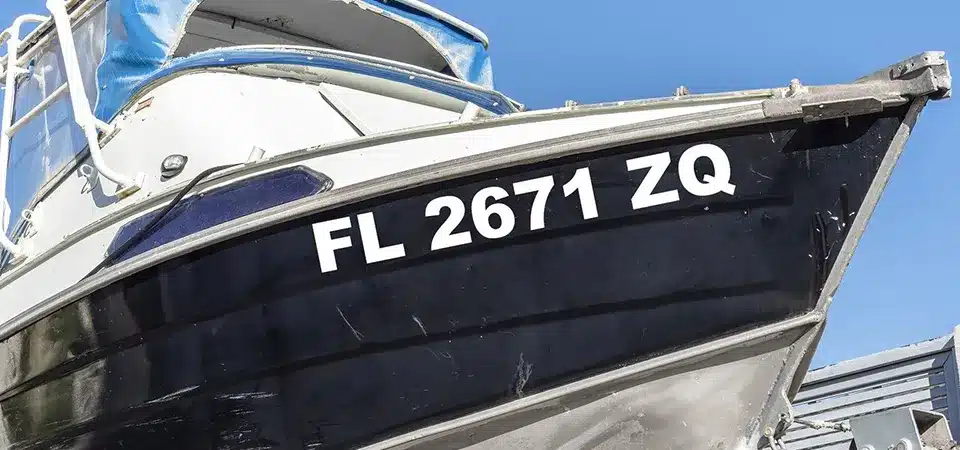
Patience is your best tool here. Rushing will only make the job harder. Follow these steps methodically, and you’ll get a clean result.
1. Heating the Vinyl
The goal here is to soften the vinyl and its adhesive, not to melt it. Hold your heat gun or hair dryer about 2-3 inches from the surface. Sweep it back and forth continuously across a small section of the sticker. Don't hold it in one spot, as too much heat can blister your gelcoat or paint. The vinyl is ready when it feels pliable and soft to the touch.
2. Lifting and Peeling
Once a section is warm, use a plastic razor blade to gently lift up a corner. Be careful not to dig into the hull. Once you have a good edge to hold, begin peeling. The key is to pull slowly and at a low angle—pulling it back on itself, almost parallel to the hull. If the vinyl starts to resist or tear, stop and apply more heat. For very old, brittle decals, you will have to work in small, heated sections.
3. Removing Stubborn Adhesive Residue
It's almost certain that some sticky residue will be left behind. This is normal. Apply your chosen adhesive remover to a microfiber towel and wipe it over the residue. Let it sit and do its work for a few minutes (check the product instructions). The goo should soften and become gummy. Then, use your plastic scraper to gently scrape away the softened residue. You may need to repeat this process a few times for thick, stubborn adhesive.
4. The Final Clean-Up
After all the residue is scraped off, you'll probably notice a slightly oily film from the remover. Wipe the entire area down with isopropyl alcohol on a clean microfiber towel. This will cut through the oily film and leave you with a perfectly clean, squeaky surface, ready for the final step of restoration.
How Do You Deal with Ghost Images and Other Special Cases?
The sticker is finally gone, but now a faint, ugly outline remains on the hull. You're worried this "ghost" image is permanent and that you've just made things worse.
Ghosting is caused by uneven oxidation. For light ghosting, use a marine polish or compound with a buffer. For severe cases, you may need to wet sand with fine-grit sandpaper (1500–2000 grit) before polishing to restore the original gloss.
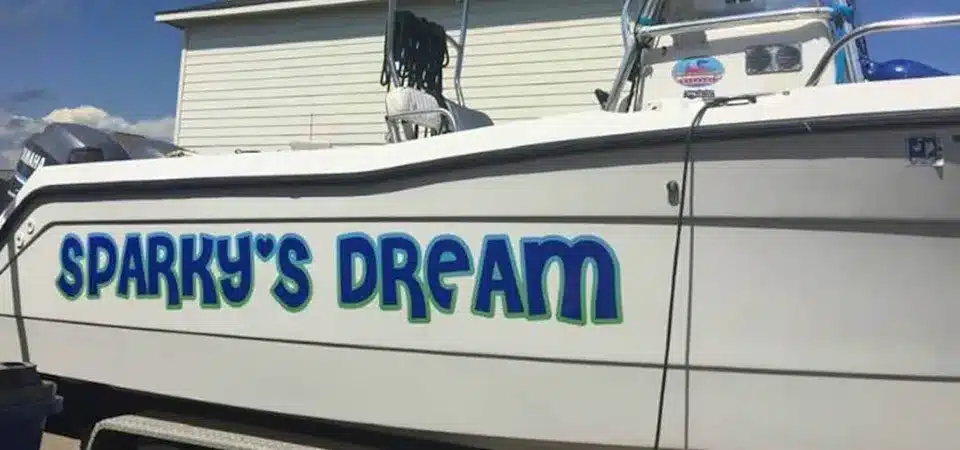
Seeing a ghost image can be discouraging, but don't panic! You haven't damaged your boat. You've just uncovered the original, protected finish. Blending it back in is very doable.
Dealing with Ghosting
The "ghost" is simply the less-faded paint or gelcoat that was hiding under the sticker for years. The solution is to lightly abrade and polish the surrounding, more oxidized surface to match the shine of the protected area.
- For light ghosting: A one-step cleaner wax or a fine-cut polish is usually enough. Apply it with a random orbital buffer for the best results, as it does the hard work for you and produces a very even finish.
- For heavy ghosting: If polishing alone doesn't work, you may need to wet sand. This is a more advanced technique. Using very fine grit sandpaper (start with 1000 or 1500, then move to 2000+) with water, you can gently remove the thinnest top layer of oxidized gelcoat. After sanding, you must follow up with a heavy-duty compound and then a polish to bring back the deep gloss. Always test this process on a small, hidden area first!
Special Cases and Tips
- Gelcoat vs. Other Surfaces: Gelcoat is the most durable and forgiving surface. Painted aluminum is more delicate; use less heat and test any chemical removers in a hidden spot. Raw aluminum can be scratched easily, so be extra gentle with scrapers.
- Sun-Baked Decals: For extremely old and brittle decals, an eraser wheel on a drill can be very effective. Use it at low RPMs and with light pressure, keeping it constantly moving to avoid burning the surface. It works by rubbing the vinyl off rather than peeling it.
- Large Stripes: For long stripes or large graphics, work in manageable two-foot sections at a time. This gives you much better control over the heating and peeling process.
What Aftercare Is Needed to Restore and Protect the Surface?
You've removed the sticker and the residue, and the surface looks clean. You think you're finally done, but the newly exposed, unprotected area is now highly vulnerable to damage.
After removal, it's critical to buff and polish the area to blend the finish and restore an even shine. Wash it one last time, then apply a high-quality marine wax or ceramic coating to protect the fresh surface from UV damage.
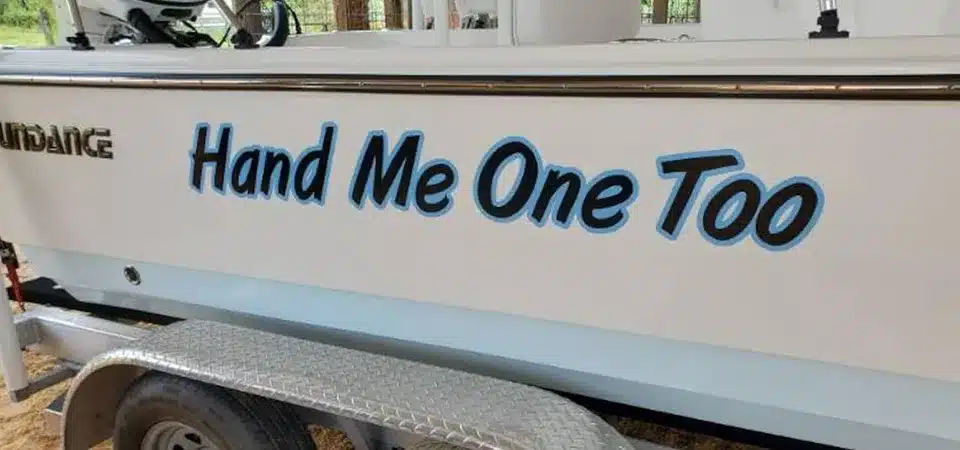
Skipping the aftercare is like leaving the job half-finished. You've gone to all this trouble to clean the surface; now you have to protect it. This is what will keep your boat looking great.
Buffing and Polishing
This step is what truly removes the last signs of the old sticker and makes the surface look uniform. Use a quality marine polish (and compound, if you had heavy ghosting) with a buffer. Work the product in until the shine is even across the entire area. This will blend the previously covered spot with the surrounding gelcoat.
Washing and Surface Inspection
After all that buffing, there will be some polish residue and dust. Give the area one last gentle wash and dry it thoroughly. This also gives you a chance to inspect your work in the clean light of day and touch up any spots you may have missed.
Waxing or Applying Coatings
This is the final and most critical step for protection. The area you just worked on has been stripped of any old wax. It is now bare and exposed to the elements. Apply a generous coat of high-quality marine wax or, for even longer-lasting protection, a ceramic coating. This will create a durable barrier against UV rays and salt, ensuring your hard work lasts and the entire surface is protected.
FAQs
You've read the guide, but a few specific questions remain. You're still hesitant because of edge cases like cold weather or what to do if a sticker is partly underwater.
Removal is always best in warm weather. For any sticker below the waterline, you must take the boat out. Quality removal won't damage the finish, and eraser wheels are safe if used cautiously. Heat and peel is the easiest way for registration numbers.
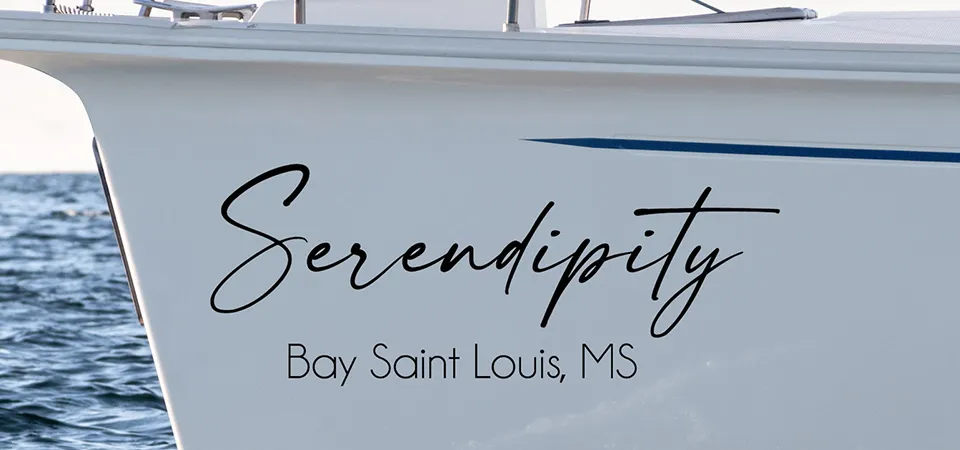
These are the common questions I get from boat owners before they start. Let's get you some quick answers.
Can I remove vinyl stickers in cold weather?
It's much harder. Cold temperatures make the vinyl very brittle and the adhesive very hard. It will likely crack and shatter into tiny pieces instead of peeling off cleanly. It’s best to work on a warm, sunny day or inside a heated garage.
What if the sticker is partly underwater?
You must get the sticker completely out of the water. You cannot effectively use a heat gun or chemicals on a surface that is wet or submerged. The boat will need to be on a trailer or a lift.
Will this damage my boat’s original finish?
If you follow the steps—using only plastic tools, avoiding overheating, testing chemicals, and going slowly—you will not damage the original factory gelcoat or paint. Damage almost always comes from impatience or using the wrong tools.
Are commercial eraser wheels safe?
Yes, they are generally safe on gelcoat when used correctly. The key is to keep the drill at a low RPM (under 4,000 RPM) and to keep the wheel constantly moving with light pressure. If you hold it in one spot for too long, it can generate enough friction to burn the surface.
Is there an easy way to remove registration numbers?
The process is exactly the same, just on a smaller scale. A hairdryer is usually more than enough heat for small registration letters. Heat, peel with a plastic blade, and clean the residue. It's typically a very quick job.
Conclusion
Removing old boat stickers takes patience, but it's a simple DIY job with the right approach. Follow the steps, use the correct tools, and always finish with a protective coat of wax.