Skip to content
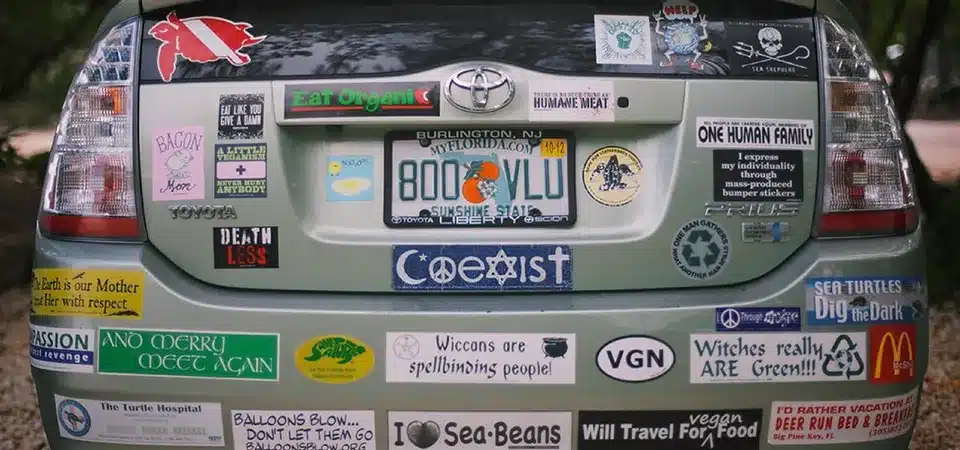
You want to customize your car with stickers, but you're worried. Putting them in the wrong spot could look bad, obstruct your view, or even damage your car's paint.
The best places to put stickers on a car are the bumper and rear window for high visibility. Side doors, bonnets, and roofs also work well, but you must use high-quality automotive vinyl. Always prioritize safety and follow local laws.
In my sticker printing business, I've seen it all. The happiest customers are the ones who think about placement before they peel the backing. Picking the right spot is a balance between showing off your design, keeping yourself safe on the road, and protecting your car's finish. It's more than just slapping on a sticker; it's about making a smart choice. Let's look at each spot to help you find the perfect home for your sticker.
Placement 1: Bumper
The bumper seems like the classic spot, but you're worried about all the dirt and grime it collects. Will the sticker even last back there?
Yes, the bumper is one of the best and most traditional places for stickers. It offers high visibility to other drivers and is designed to take some abuse, making it a durable spot for self-expression.
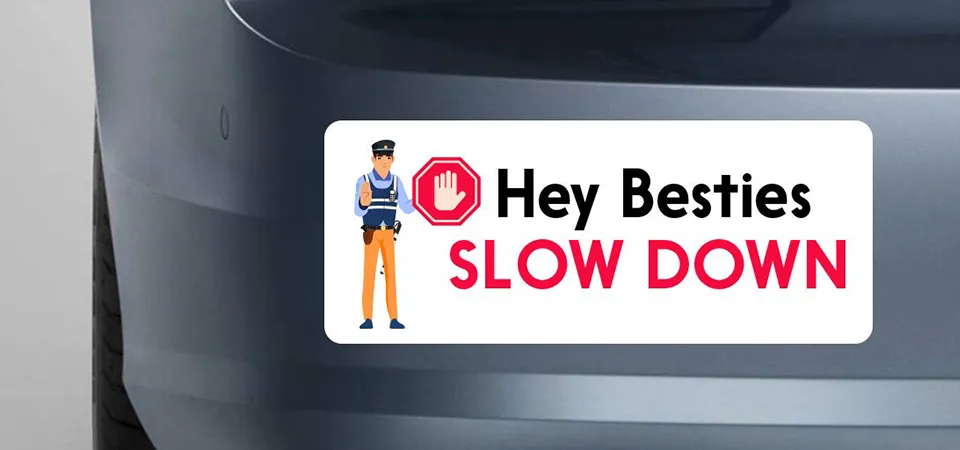
The bumper is prime real estate. Think about how much time you spend looking at the bumper of the car in front of you in traffic. That’s why it's perfect for everything from funny quotes to showing off your favorite brand. Because this area gets hit with road debris, water, and dirt, you can't use just any old sticker. You need a high-quality, weatherproof vinyl with a strong permanent adhesive. In my shop, we print bumper stickers on thick vinyl and then add a UV-protective laminate. This clear top layer acts like a shield. It prevents the sun from fading the colors and protects the print from scratches and chemicals. I had a client who drove cross-country, and his bumper sticker looked as good after the trip as it did the day he applied it. That's the power of using the right material. It is also one of the safest places, as it doesn't interfere with your view at all.
Placement 2: Rear windows
The rear window is a huge, blank canvas. It seems perfect for a sticker, but you're worried it might block your view or be illegal.
Yes, you can safely put stickers on your rear window, as long as they don't obstruct your central line of sight. Die-cut lettering or perforated "see-through" graphics are the safest options.
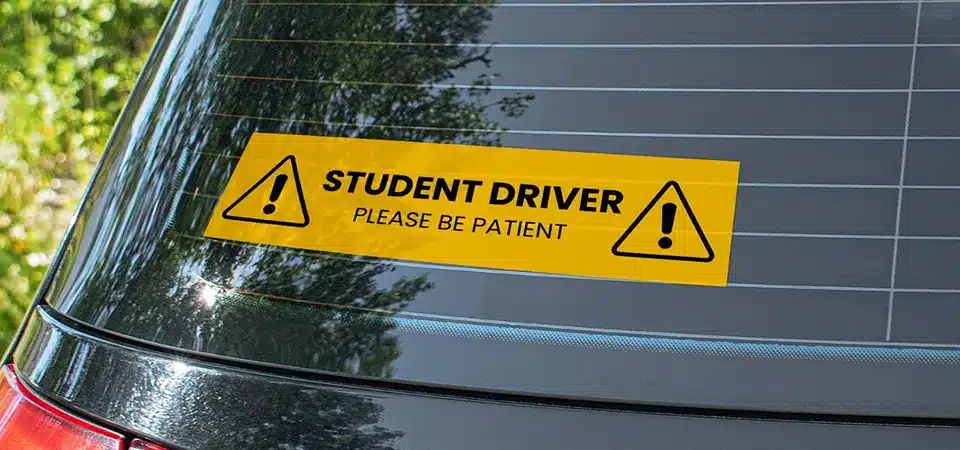
Rear windows are the second most popular spot after bumpers. They are great for business branding, social media handles, or showing support for a cause. However, safety is everything. You must never place a large, solid sticker directly in the middle of the window where it could block your view through the rearview mirror. Instead, place decals in the lower corners or across the top edge. Die-cut stickers, which are just individual letters or a shape without a background, are an excellent choice. They take up minimal visual space. For larger graphics, we recommend perforated window vinyl. This is the material you see on bus wraps. It looks solid from the outside, but from the inside, it's full of tiny holes that allow you to see right through it. It's a fantastic solution for advertising, but always check your local laws. Some areas have specific rules about the size and placement of window decals.
Placement 3: Side door
You're thinking about putting a logo on your side door for your business, but you're worried about it looking unprofessional or getting damaged easily.
Side doors are an excellent place for subtle branding or larger graphics on commercial vehicles. However, this area is prone to dings and requires a high-quality, durable automotive vinyl to look good long-term.
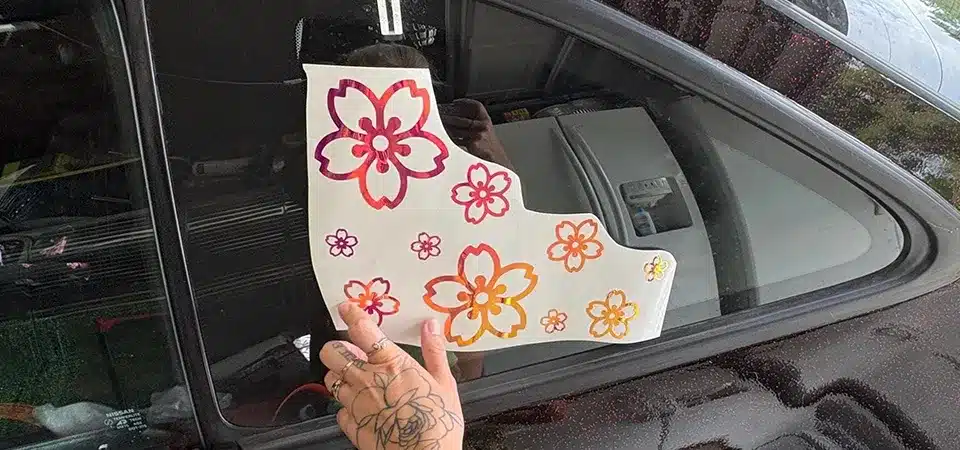
When a business client comes to me for vehicle graphics, the side doors are often the main focus. It’s part of your car’s vertical bodywork, which is a great place for a logo that people will see as you drive by. Unlike a bumper, it's also a relatively clean surface. The main challenge here is wear and tear. This area is exposed to side-swipes, door dings in parking lots, and constant UV rays. For side doors, we always use a premium cast vinyl, which is more flexible and durable than standard sticker material. It conforms to slight curves and lasts much longer. Proper application is also key to a professional look. For a large graphic, you must make sure it's applied perfectly straight. I tell my clients to use painter's tape to create a level guideline before they even peel the sticker backing. Taking the time to do this correctly makes all the difference.
Placement 4: Roof
You want to make a big, bold statement with your car, and the roof seems like a unique spot. But is it a practical place for a sticker?
The roof is a creative spot for large graphics like a flag or custom pattern, but it usually requires professional installation. Improper application can trap water, and the material must withstand intense, direct sun exposure.
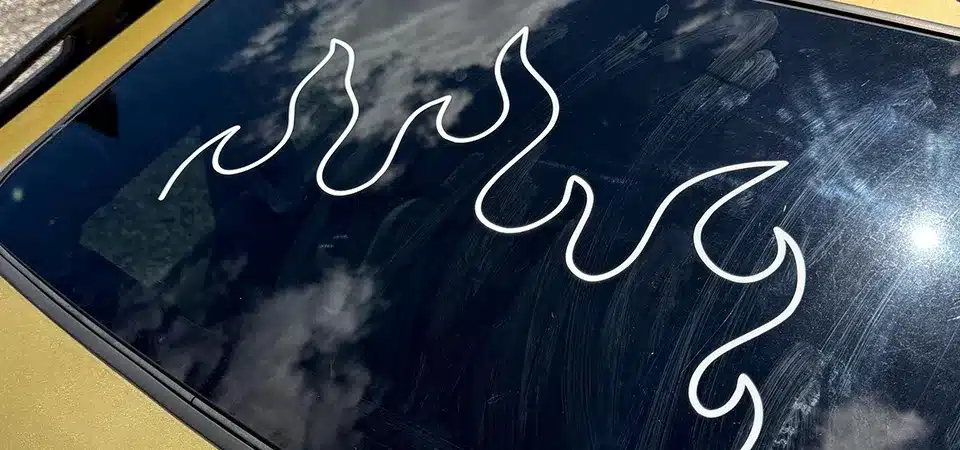
Roof graphics can look amazing, but this is not a beginner-friendly project. It's the part of your car that gets the most direct sun, so the sticker material must have the best UV protection available to prevent fading and cracking. The other major concern is water. I've seen cheap roof jobs fail badly. If a large roof graphic is not applied perfectly, it can create channels or bubbles where water can pool. Over time, this can damage the paint and even lead to rust underneath the vinyl. Because of the size and the risks involved, I always recommend seeking professional help for a roof wrap. A pro will use the right high-performance cast vinyl and have the tools and experience to ensure a flawless, weatherproof seal. It’s a bigger investment, but it’s the only way to guarantee a great result that lasts and protects your car.
Placement 5: Bonnet
The bonnet (or hood) is front and center. A sticker here would get a lot of attention, but you're worried about the engine heat damaging it.
Yes, you can put stickers on the bonnet, but you must use a heat-resistant automotive-grade vinyl. This area faces intense heat from the engine and direct sun, so material quality is critical.
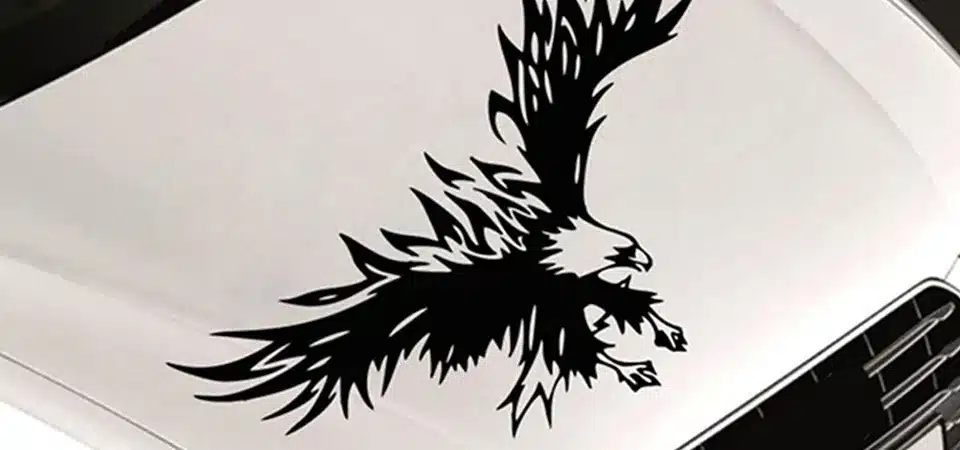
The bonnet is a high-impact location, both visually and physically. It’s the first thing people see when you're driving toward them. It’s a popular spot for racing stripes, brand logos, or other bold designs. However, this is one of the harshest environments on your car. The combination of direct sun and heat rising from the engine will destroy a cheap sticker in weeks. It will fade, crack, and the adhesive will bake onto your paint, making it a nightmare to remove. For this spot, you must insist on a premium, laminated cast vinyl. This material is engineered to be a bit more stable, so it won't shrink or warp as much when exposed to heat. When applying, make sure the engine is completely cold. A warm bonnet can cause the adhesive to stick too quickly, making it impossible to fix mistakes.
Placement 6: Windscreen
Putting a sticker at the top of the windscreen seems like a cool way to add some style, but you don't want to get a ticket for it.
Small stickers are usually legal on the windscreen if they are placed outside the driver's primary line of sight. Typically, this means on the top-most edge or in the lower corners.
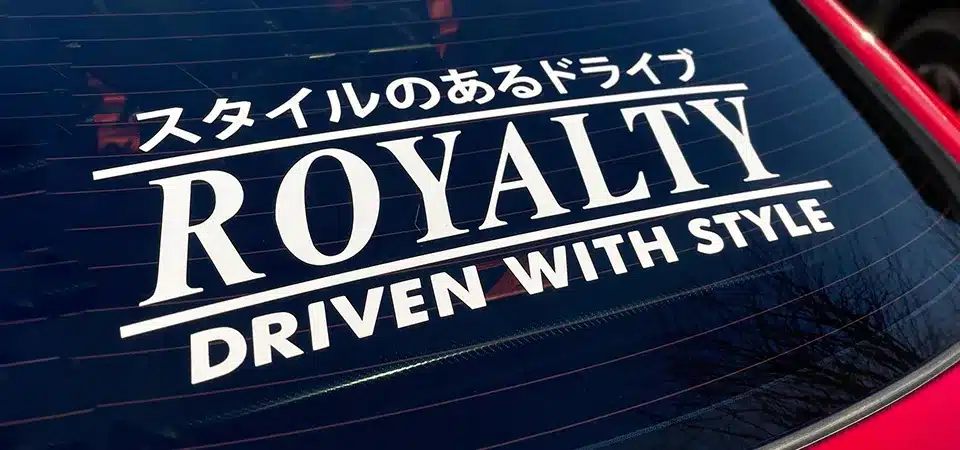
Windscreen stickers are all about subtlety and following the rules. Your forward vision is the most important sense you have while driving, and nothing should interfere with it. A common placement is the "sun strip," a band of vinyl at the very top of the windscreen. Many places have laws that specify exactly how far down this strip can go. This is often marked by an "AS1" line on the glass itself. Go below that line, and you risk a ticket. Other acceptable spots are the bottom corners, often used for parking permits or club affiliations. You must never place anything in the main sweep of the windshield wipers. Even a small sticker there can obstruct your view, especially in bad weather, and is likely to get you pulled over. When in doubt, always choose the most conservative placement to prioritize safety above all else.
Placement 7: Gas tanks (for motorbikes)
You want to add some personality to your motorcycle, and the gas tank seems like the perfect spot. But will spilled fuel ruin the sticker?
The gas tank is a great spot, but the sticker must be made from fuel-resistant vinyl with a strong, chemical-resistant laminate. This protects the design and adhesive from being damaged by gasoline spills.
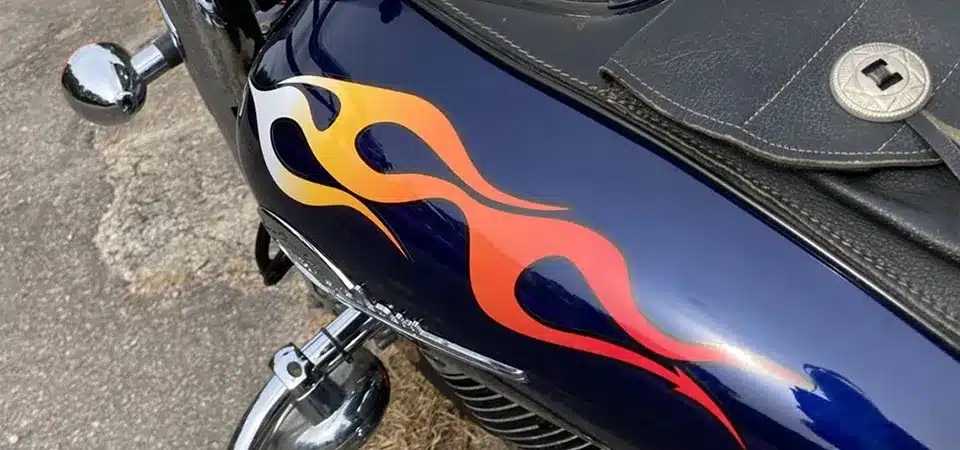
For bikers, the gas tank is a centerpiece. It's where your knees rest, it's what you look down at, and it's a beautifully curved surface that's perfect for custom graphics. As a sticker maker, I know this spot has a unique challenge: gasoline. Even a small drip of fuel during a fill-up can dissolve the ink and adhesive of a standard sticker, turning it into a gooey mess. That's why we use specific materials for this job. The base is a flexible cast vinyl that conforms to the tank's curves perfectly. But the secret is in the laminate. We use a heavy-duty, chemical-resistant overlaminate that completely seals the print and adhesive from any contact with fuel. Before applying, it's extra important to degrease the surface thoroughly to ensure the adhesive gets a strong, clean bond. With the right materials, a gas tank sticker will look sharp and stay put.
FAQs
Can I put stickers on my car's paint without damaging it?
Yes, you can, but only if you use a high-quality automotive-grade vinyl sticker. These are designed to be removed cleanly within a few years. Cheap stickers can leave behind tough residue or even peel off paint, especially on older cars.
Will stickers on the windows obstruct my view while driving?
They can if placed incorrectly. Never put a non-transparent sticker in your direct line of sight on the front, rear, or side windows. Place them in corners or use perforated "see-through" vinyl for larger graphics on the rear window.
How do I remove stickers without damaging my car's finish?
Gently heat the sticker with a hairdryer to soften the adhesive. Then, use your fingernail or a plastic scraper to peel it off. For any leftover residue, use a dedicated adhesive remover product (like Goo Gone) and a soft microfiber cloth.
Can I put stickers on a leased car?
I strongly advise against putting stickers on the paint of a leased car. You will likely be charged for "paint damage" when you return it. If you must, stick to the windows, as they are easy to clean without causing damage.
How do I ensure stickers are applied straight and without bubbles?
Clean the surface thoroughly first. For larger stickers, use the "wet method": spray the area with a little soapy water, apply the sticker, and then use a squeegee to push the water and bubbles out from the center.
Can I apply stickers myself, or should I seek professional help?
You can apply most small to medium-sized decals yourself. For very large graphics, like a roof or bonnet wrap, I recommend professional installation to avoid mistakes, bubbles, and water trapping.
Will stickers fade or lose their colour over time?
Yes, all stickers can fade a little from UV exposure. However, quality stickers printed with UV-resistant inks and a protective laminate will last for many years without significant fading. Cheap stickers can fade in just a few months.
Can I put stickers on my car's bodywork in any weather condition?
No. Apply stickers on a cool, dry day in a shaded area. Applying them in direct sunlight or on a hot surface can make the adhesive too sticky and cause bubbles. Applying them in the cold can make the adhesive less effective.
How can I clean my car with stickers on it?
You can wash your car as you normally would. High-quality vinyl stickers are durable enough for hand washing and even automatic car washes. Just avoid aiming a high-pressure washer directly at the edges of the sticker for a long time.
Can I reposition my car sticker if I don't like the initial placement?
Generally, no. Most car stickers use a permanent adhesive. While you might be able to lift it and reposition it within seconds of the first light touch, once you apply pressure, the bond becomes permanent.
Conclusion
The best place for a car sticker depends on your goal. Choose bumpers and windows for visibility, but always use the right material—durable, weatherproof vinyl—to protect your car and your design.